
Why Are Some Rooms Colder Than Others? Northern Colorado HVAC Guide
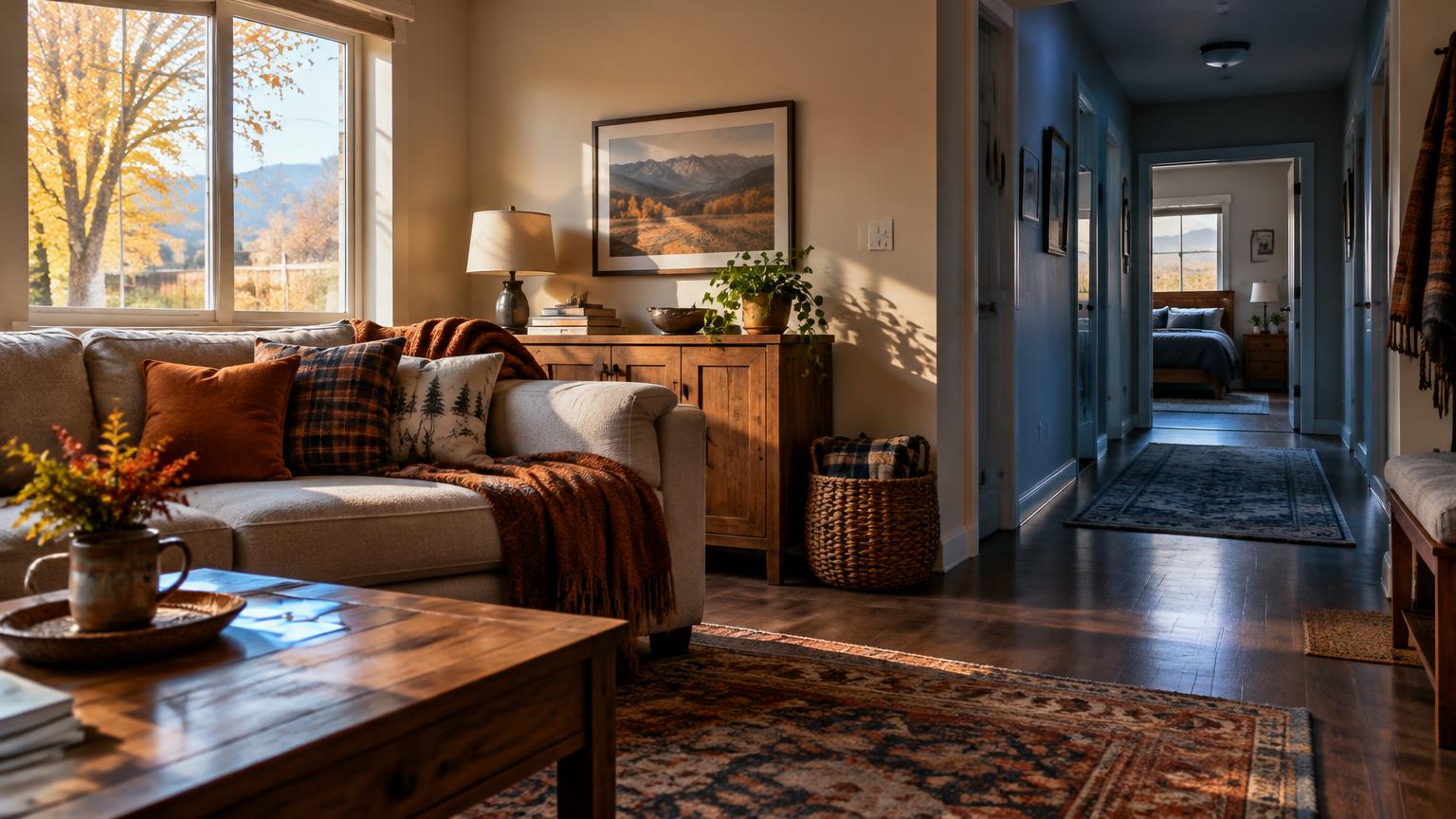
Have you ever noticed that your living room feels perfectly comfortable while a bedroom down the hallway stays cold? Or maybe your upstairs rooms feel different from the main floor, even though the thermostat says your home has reached the correct temperature.
Uneven heating is a common comfort problem in homes throughout Northern Colorado. It can affect older houses, newer construction, multilevel properties, and homes with finished basements or additions.
For homeowners in Greeley, Evans, Johnstown, Longmont, and surrounding communities, understanding what causes hot and cold spots can help you find a more effective solution.
What Causes Uneven Heating in a House?
Uneven heating happens when different areas of a home receive or retain different amounts of heat. Common causes include blocked vents, ductwork problems, insufficient insulation, air leaks, thermostat placement, and heating equipment that isn't properly matched to the home.
The important thing to remember is that an unevenly heated home doesn't necessarily need a larger furnace.
In many cases, the underlying issue is how heat is distributed or retained.
1. Blocked Supply or Return Vents
Your HVAC system depends on air moving through supply vents and returning through designated return pathways.
When furniture, rugs, curtains, or other household items block these openings, airflow can suffer.
A bedroom with a blocked supply register may receive less heated air than the rest of the house.
Likewise, restricted return airflow can create pressure imbalances that affect system performance.
Walk through your home and check that vents and returns are clear.
Avoid closing numerous vents in unused rooms to save energy, as this can increase duct pressure and create problems for some forced-air systems.
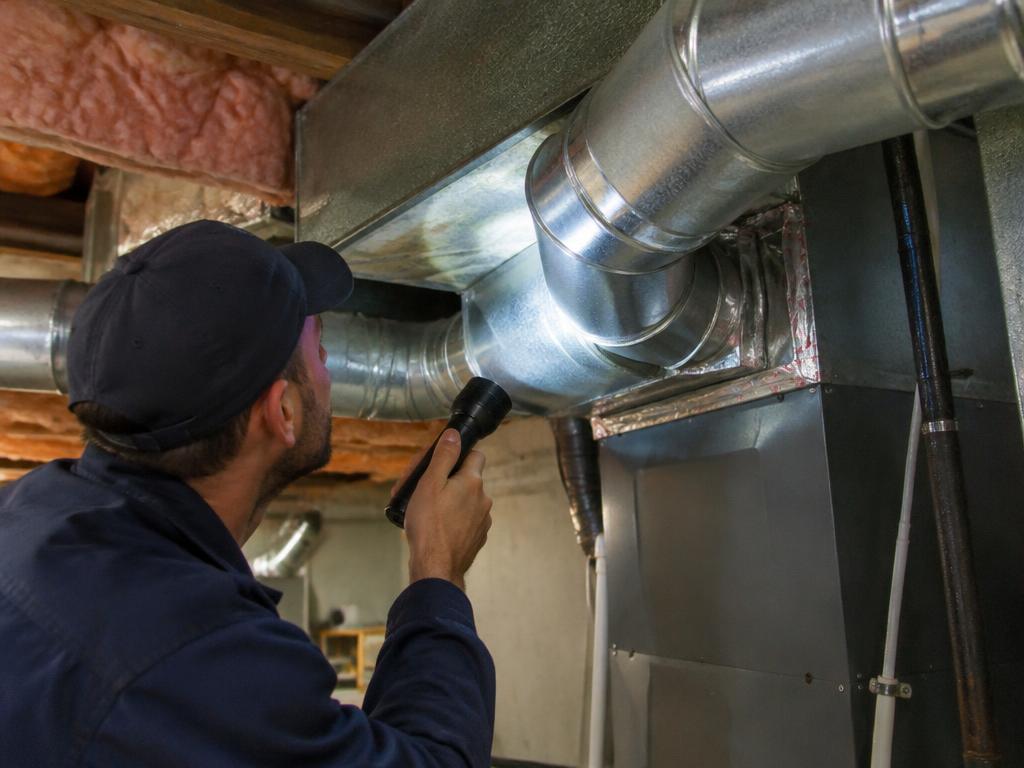
2. Leaky or Poorly Connected Ductwork
Ductwork delivers heated air from your furnace or air handler to individual rooms.
Over time, ducts can develop gaps, loose connections, crushed sections, or other issues.
If warm air escapes before reaching the intended room, that room may stay uncomfortable even while the furnace runs normally.
The problem may be more noticeable when ductwork travels through an attic, crawl space, or unconditioned area.
A professional HVAC inspection can help identify damaged or disconnected duct sections and determine whether airflow adjustments are needed.
3. Inadequate Insulation
Sometimes the heating system delivers enough warm air, but a room loses heat too quickly.
Insulation is a major part of retaining indoor warmth.
Rooms over garages, finished attics, exterior-facing bedrooms, and older additions may have different insulation levels than the rest of the house.
If one room cools down rapidly after the furnace shuts off, heat loss may be contributing to the problem.
Improving insulation or air sealing can sometimes provide a bigger comfort improvement than changing HVAC equipment.
4. Drafty Windows and Doors
Cold drafts can make a room feel uncomfortable even when its measured temperature is close to the thermostat setting.
Air leaks around windows, exterior doors, attic access points, and other openings allow cold outdoor air to enter.
Northern Colorado's windy conditions can make these drafts especially noticeable.
Weatherstripping, appropriate caulking, and professional air sealing may help reduce unwanted air movement.
5. Thermostat Location
Most traditional thermostats measure temperature at one location.
If your thermostat is installed in a warm hallway or a room that receives strong sunlight, it may reach the desired temperature before colder rooms are comfortable.
The system then shuts down because it believes the house has reached the set temperature.
A professional HVAC technician can evaluate whether thermostat placement, system controls, or compatible remote sensors could help.
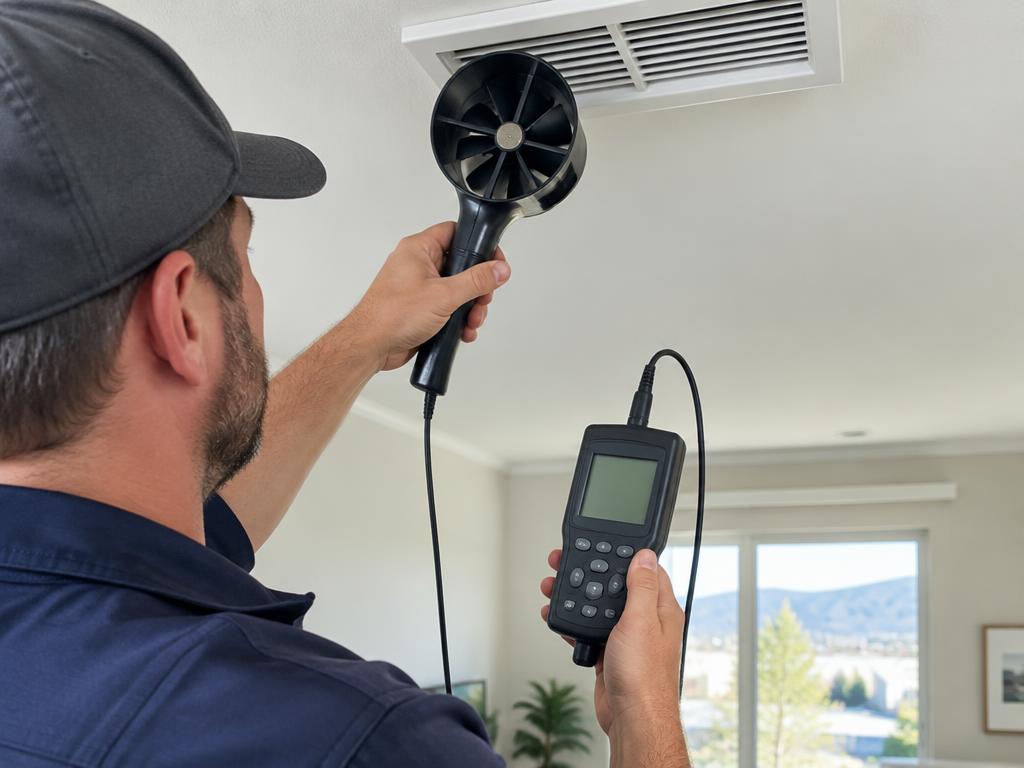
6. Your HVAC System Needs Airflow Balancing
Even a properly sized furnace may struggle to distribute air evenly if the duct system isn't balanced.
Airflow balancing involves evaluating how air moves through different branches of the system.
Depending on the equipment, a technician may inspect duct sizing, dampers, static pressure, blower settings, and other airflow factors.
These measurements help identify whether some rooms receive too much air while others receive too little.
This is more effective than randomly adjusting vents throughout the home.
7. Your Home Has Outgrown Its Original HVAC Design
Home improvements can change the way a heating system performs.
For example, finishing a basement, converting a garage, or adding living space may increase the home's heating demand.
If the original HVAC equipment and ductwork were never updated for these changes, certain areas may struggle to maintain a comfortable temperature.
A professional evaluation can determine whether duct modifications, zoning, or a dedicated heating solution would be appropriate.
Could a Mini Split Help With One Cold Room?
In some situations, a ductless mini split may be a practical option.
Mini split systems provide dedicated heating and cooling to a specific space without needing a traditional duct connection.
They may be useful for additions, finished basements, home offices, and difficult-to-condition rooms.
However, a mini split isn't always necessary. If the problem is caused by a blocked duct, dirty filter, or disconnected return, repairing the existing system may be the better first step.
How to Tell Whether the Problem Is Your Furnace or Your Home
Homeowners can look for a few useful clues.
If every room is cold: The furnace, thermostat, or overall heating capacity may need attention.
If only one room is cold: Ductwork, insulation, supply airflow, or local heat loss may be involved.
If the problem is worse when it's windy: Drafts and air leakage may be contributing.
If rooms warm unevenly after a renovation: Your current duct layout or HVAC capacity may no longer match the home.
These clues don't replace professional diagnosis, but they can make your service appointment more productive.
When Should You Schedule HVAC Service?
Consider professional service if:
- A room remains significantly colder than others
- Airflow is weak from certain registers
- Your furnace runs constantly without improving comfort
- Temperature differences are getting worse
- The problem began after renovation work
- You hear unusual noises in the ductwork
- The system frequently turns on and off
An HVAC technician can determine whether the issue comes from the equipment, duct distribution, or other building factors.
Frequently Asked Questions
Why is my bedroom colder than the rest of my house?
Possible causes include poor insulation, blocked vents, duct leaks, excessive window heat loss, or inadequate airflow.
Will a bigger furnace fix cold rooms?
Not necessarily. Oversizing can create short cycling and comfort problems. The underlying airflow and insulation issues should be evaluated first.
Can duct cleaning fix uneven heating?
Duct cleaning may help when accumulated debris is restricting airflow, but it won't fix disconnected ducts, poor sizing, or insulation problems.
Does uneven heating mean my furnace is failing?
Not always. A furnace may operate normally while ductwork or building conditions cause certain rooms to feel colder.
Conclusion: Solve Uneven Heating in Northern Colorado
If parts of your home stay cold while others feel comfortable, the solution starts with understanding why.
Woelfel Heating & Air helps homeowners diagnose HVAC performance problems and explore appropriate heating and cooling solutions throughout Northern Colorado.
For homeowners in Greeley, Evans, Johnstown, Longmont, Berthoud, and nearby communities, professional HVAC service can help identify what's affecting indoor comfort.
Contact Woelfel Heating & Air to schedule an HVAC evaluation and take the next step toward more consistent home comfort.