
Why Is My Heating Bill So High in Northern Colorado? Common HVAC Causes
Opening a winter utility bill can be frustrating, especially when the amount is much higher than expected. Homeowners throughout Northern Colorado often see heating costs change as outdoor temperatures fall, but unusually high bills aren't always caused by the weather alone.
Your furnace, thermostat, air filters, ductwork, insulation, and daily habits can all influence how much energy your home uses.
If you're wondering why your heating bills are climbing in Loveland, Longmont, Greeley, Berthoud, or surrounding communities, understanding the potential causes is the first step toward making your home more efficient.
What Causes High Heating Bills?
High heating bills can result from colder weather, increased energy rates, poor insulation, leaky ductwork, dirty filters, inefficient equipment, or a heating system that runs longer than necessary.
A sudden increase doesn't automatically mean your furnace needs to be replaced.
The first step is identifying whether the change comes from higher energy usage, utility pricing, weather conditions, or equipment performance.
1. Your Air Filter Is Dirty
A clogged air filter is one of the easiest heating issues to overlook.
As dust and debris accumulate, airflow may become restricted. Your furnace can struggle to distribute warm air effectively, potentially running longer or experiencing overheating problems.
Regularly checking your filter is a simple way to support efficient operation.
The correct replacement schedule depends on your system, filter type, pets, indoor dust, and usage.
Some homeowners may need to change filters more frequently than others.
2. Your Furnace Is Running Constantly
During very cold weather, longer heating cycles may be normal.
However, if your furnace runs nearly all the time while the house remains uncomfortable, there could be an underlying problem.
Potential causes include:
- Dirty air filters
- Incorrect thermostat settings
- Insufficient insulation
- Drafts around windows and doors
- Ductwork leaks
- Malfunctioning furnace components
- Heating equipment that isn't properly sized
A professional HVAC technician can evaluate whether the system's operation matches the home's heating requirements.
3. Your Thermostat Settings Are Increasing Energy Use
The temperature you choose affects how hard your heating system works.
For many households, lowering the thermostat while sleeping or when the home is unoccupied can reduce unnecessary heating.
Programmable and smart thermostats help homeowners create consistent heating schedules.
The U.S. Department of Energy notes that adjusting thermostat settings during periods when less conditioning is needed can reduce annual heating and cooling energy use.
However, systems such as heat pumps may require different control strategies. Large temperature setbacks can trigger less-efficient backup heating in some configurations.
For that reason, thermostat recommendations should fit the equipment installed in the home.
4. Your Ductwork Is Losing Heated Air
Your furnace may be producing enough warm air, but that doesn't mean all of it reaches the living spaces.
Leaks or disconnected duct sections can allow heated air to escape before reaching the intended room.
Poorly insulated ductwork in unconditioned spaces may also lose heat.
Possible signs include weak airflow, uneven temperatures, and rooms that take longer to warm up.
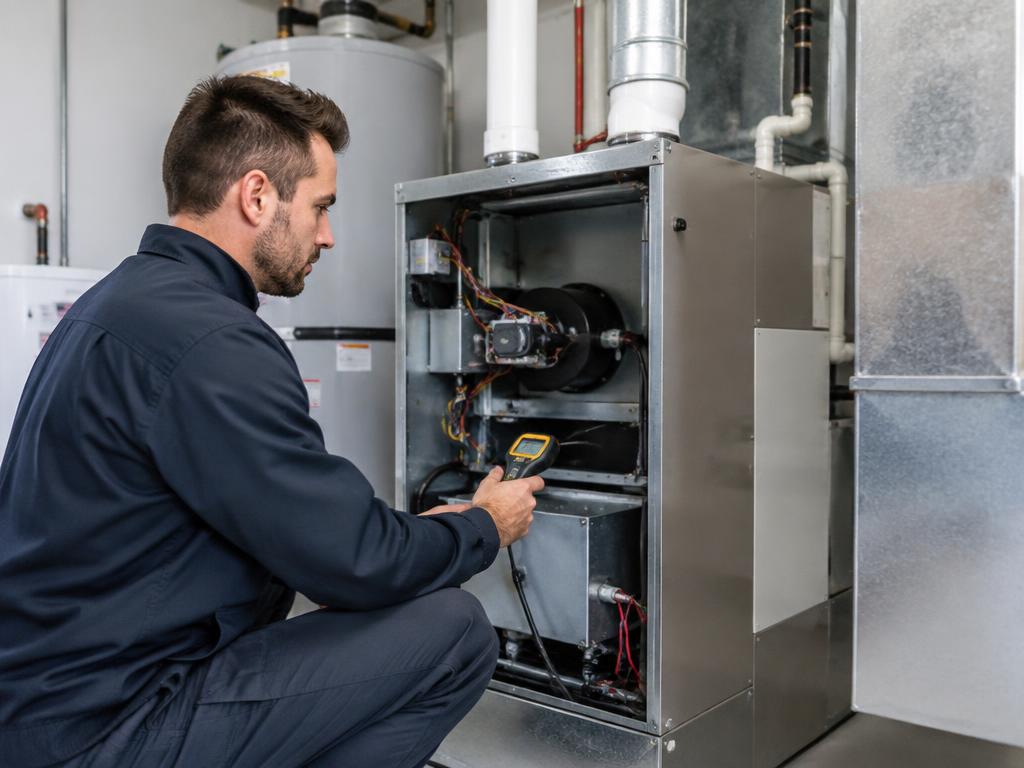
Professional duct inspection can help determine whether sealing, repairs, insulation, or airflow balancing would improve performance.
5. Poor Insulation Is Making Your Home Work Harder
Even an efficient heating system may struggle when the home loses heat rapidly.
Attic insulation, wall insulation, window quality, and air sealing all affect how well a house holds warmth.
During Northern Colorado's colder and windier periods, drafts can be especially noticeable around doors, windows, crawl spaces, and attic openings.
If your furnace runs frequently but the home cools down quickly after each cycle, heat loss may be part of the problem.
An HVAC inspection combined with a home energy assessment can help identify whether improvements to the building itself may be worthwhile.
6. Your Furnace May Be Losing Efficiency
As a furnace ages, wear, dirt buildup, and neglected maintenance can affect performance.
Common issues include dirty burners, blower problems, ignition issues, airflow restrictions, and malfunctioning controls.
Not every performance problem requires replacement. Sometimes cleaning, adjustments, or repairs can improve operation.
However, if the furnace requires frequent repairs and struggles to maintain comfort, replacement may be worth considering.
7. Your HVAC System May Be Improperly Sized
A heating system that's too small may struggle to meet the home's heating demand during cold weather.
A system that's too large may turn on and off too frequently, creating uneven comfort and unnecessary wear.
Proper sizing involves more than square footage.
An installer should evaluate the home's insulation, layout, windows, air leakage, and heating requirements before recommending equipment.
A correctly sized system is better positioned to provide comfortable and efficient operation.
Practical Ways to Lower Heating Energy Use
Homeowners can take several practical steps before considering major upgrades.
Check and Replace Filters
Inspect filters regularly and replace them when needed to support normal airflow.
Use Thermostat Scheduling
Choose comfortable temperatures when you're home and appropriate energy-saving settings when you're away or asleep.
Reduce Drafts
Check weatherstripping around doors and windows. Small gaps can allow cold air to enter and warm air to escape.
Keep Vents Clear
Move furniture and household items away from supply and return vents.
Avoid closing large numbers of registers, which can interfere with airflow.
Schedule HVAC Maintenance
Professional maintenance can identify dirty components, worn parts, and performance concerns that may affect efficiency.
Evaluate Older Equipment
If the furnace is aging and experiencing recurring problems, compare repair costs and expected performance against replacement options.
When Should You Call an HVAC Professional About High Heating Bills?
Consider scheduling service if your energy use increases unexpectedly and you also notice:
- Heating cycles that seem unusually long
- Rooms that never get comfortable
- Frequent furnace cycling
- Unusual equipment noises
- Weak airflow
- New thermostat problems
- Declining heating performance
A professional diagnosis helps distinguish equipment problems from insulation, ductwork, or normal weather-related demand.
Frequently Asked Questions
Is it normal for heating bills to increase in winter?
Yes. Heating energy use often increases during colder weather. However, unusually large changes should be compared with weather conditions, usage, and utility rates.
Can a dirty furnace filter increase heating costs?
A severely clogged filter can restrict airflow and contribute to inefficient operation or furnace overheating.
Will a new furnace automatically lower my utility bill?
Not necessarily. Savings depend on the efficiency of the old and new systems, installation quality, home conditions, usage, and energy costs.
Can a smart thermostat reduce heating costs?
It may help by reducing unnecessary heating and maintaining more consistent schedules. Results depend on the system and how the thermostat is configured.
Conclusion: Make Your Northern Colorado Home More Heating-Efficient
Higher heating bills don't always mean your furnace is failing. Sometimes the problem comes from airflow, thermostat settings, insulation, or maintenance needs.
Identifying the real cause can help you avoid unnecessary expenses and improve comfort.
Woelfel Heating & Air provides heating system repairs, HVAC maintenance, and installation services throughout Northern Colorado, including Loveland, Longmont, Greeley, Berthoud, Johnstown, and Boulder.
Contact Woelfel Heating & Air to schedule an HVAC evaluation and explore ways to improve your home's heating performance.