
Heat Pump vs. Gas Furnace: What's Best for Northern Colorado Homes?
Choosing a heating system is a major decision for any homeowner. In Northern Colorado, that decision comes with an extra consideration: your equipment needs to handle mild fall afternoons, freezing winter nights, and unpredictable temperature changes.
Two options homeowners frequently compare are gas furnaces and electric heat pumps. Both can provide effective home heating, but they work differently, have different operating considerations, and may suit different properties.
If you're planning an HVAC replacement in Longmont, Loveland, Greeley, Berthoud, or surrounding communities, understanding these differences can help you make a better long-term investment.
What's the Difference Between a Heat Pump and a Gas Furnace?
A gas furnace generates heat by burning natural gas, while an electric heat pump moves heat from one location to another. A heat pump can also provide air conditioning, while a gas furnace is designed specifically for heating.
The best choice depends on your home's insulation, existing equipment, energy costs, available utilities, and heating needs.
How Does a Gas Furnace Work?
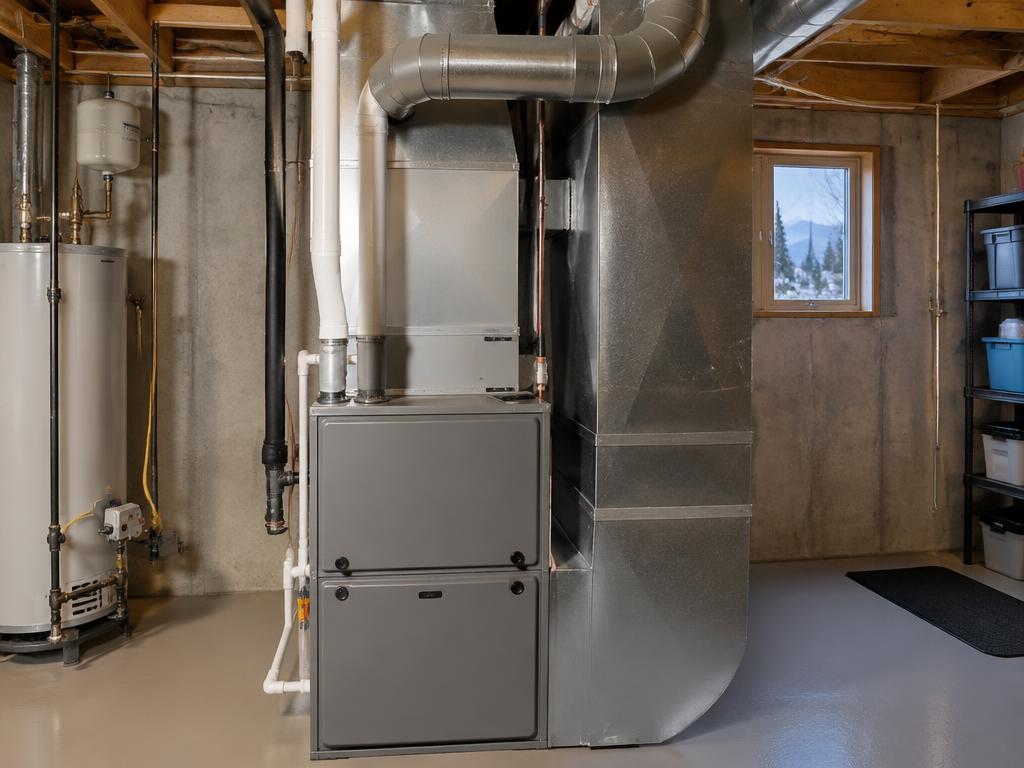
A gas furnace burns natural gas to produce heat. A heat exchanger transfers that heat to air circulated through the home's ductwork.
Gas furnaces remain a familiar heating option in many Colorado homes because they can provide substantial heating output during cold weather.
Advantages of Gas Furnaces
Gas furnaces offer several potential benefits:
- Strong heating performance during freezing temperatures
- Compatibility with many existing forced-air duct systems
- A familiar replacement option for homes already using natural gas
- Different efficiency levels and equipment configurations
- Consistent heating when properly sized and maintained
If your home already has a furnace and central air conditioner, replacing the furnace may be a relatively straightforward option compared with changing the entire heating configuration.
However, the condition of your ductwork, venting, gas connections, and equipment still needs professional evaluation.
How Does an Electric Heat Pump Work?
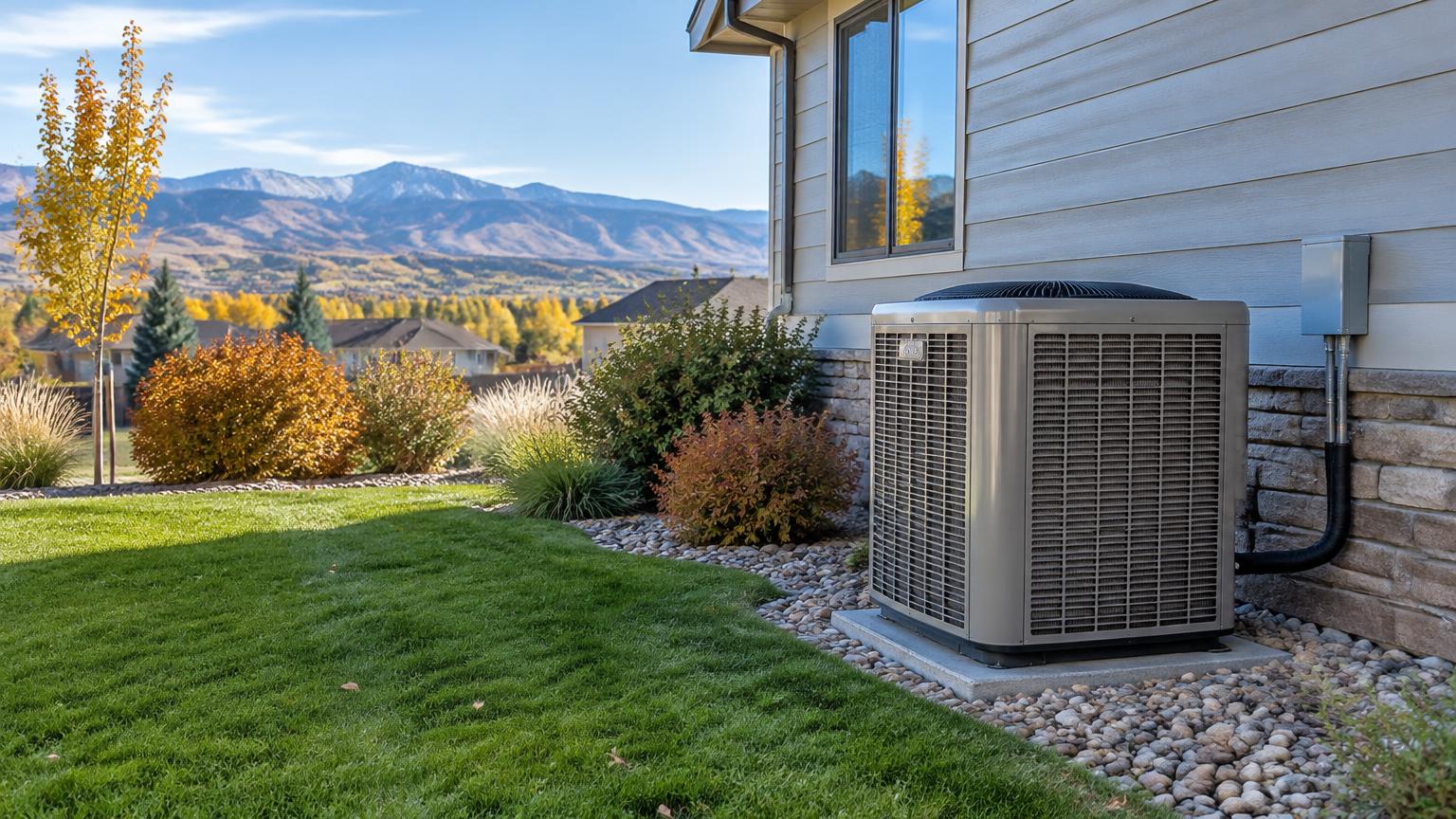
A heat pump transfers heat rather than creating it through combustion.
During winter, it extracts available heat from outdoor air and transfers that heat indoors. During summer, the process reverses, allowing the heat pump to cool your home.
Because one system can handle heating and cooling, heat pumps may appeal to homeowners who want to update both functions.
Advantages of Heat Pumps
Depending on the home and equipment selected, benefits may include:
- Heating and cooling from one system
- Efficient operation in appropriate conditions
- No on-site fuel combustion by the heat pump itself
- Compatibility with ducted or ductless configurations
- Potentially lower energy consumption compared with some older equipment
Modern cold-climate heat pumps can provide heating in conditions that older models struggled to handle.
The U.S. Department of Energy explains that advances in heat pump technology have made these systems a viable heating option in colder regions.
Do Heat Pumps Work During Colorado Winters?
Yes, properly selected heat pumps can operate in cold weather. However, performance varies by model, outdoor temperature, system design, and home heating requirements.
Standard heat pumps and cold-climate heat pumps are not identical.
Cold-climate models are designed to maintain better heating performance at lower outdoor temperatures, making equipment selection especially important in Northern Colorado.
For some homes, electric backup heating or a dual fuel configuration may also be appropriate.
A professional heating load calculation helps determine how much heat your home needs during colder conditions.
Which Heating System Costs Less to Operate?
There isn't one universal answer.
Operating costs depend on several factors, including:
- Local electricity and natural gas rates
- Furnace efficiency
- Heat pump performance at different temperatures
- Home insulation and air sealing
- Thermostat settings
- Household heating demand
- Whether backup heating is required
For example, an efficient heat pump may use less energy than electric resistance heating. That doesn't automatically mean it will cost less to operate than every gas furnace.
The right comparison should consider both energy consumption and actual utility costs.
What About Installation Costs?
Installation costs vary depending on equipment selection, house size, ductwork, electrical requirements, and existing infrastructure.
A furnace replacement may involve different work than installing a heat pump system. A heat pump conversion may require electrical upgrades or changes to the indoor equipment.
Rather than comparing equipment prices alone, homeowners should ask for an installation assessment that considers the entire system.
An HVAC professional can help evaluate your existing setup and explain realistic options.
Is a Dual Fuel System Another Option?
For homeowners interested in the efficiency of a heat pump but who also want a gas furnace, dual fuel HVAC may be worth considering.
A dual fuel system combines a heat pump and a furnace. The controls can use the heat pump when conditions are favorable and switch to the furnace when appropriate.
This can offer a flexible approach to heating in climates with changing temperatures.
Woelfel Heating & Air offers dual fuel HVAC services, making this another option to discuss when comparing new equipment.

Why Proper HVAC Sizing Matters
Whether you're choosing a furnace or heat pump, proper equipment sizing is essential.
An oversized system may cycle frequently and create uncomfortable temperature swings. An undersized system may struggle to maintain indoor temperatures during extreme weather.
A qualified installer evaluates heating loads, insulation, window exposure, airflow, and ductwork before recommending equipment.
Northern Colorado's varying elevations and winter weather also make appropriate equipment selection and setup important.
Questions to Ask Before Replacing Your Heating System
Before making a final decision, ask your HVAC professional:
- What is the calculated heating load for my home?
- Can my existing ductwork support the new system?
- How will the equipment perform during very cold weather?
- What are the expected operating considerations?
- Will I need electrical or venting changes?
- What maintenance will the system require?
- Would a dual fuel setup be appropriate?
A clear evaluation should help you understand the tradeoffs without unnecessary pressure.
Frequently Asked Questions
Are heat pumps better than furnaces?
Neither is automatically better for every home. Heat pumps offer heating and cooling, while gas furnaces provide dedicated heating. The best choice depends on the property and homeowner priorities.
Can I replace my gas furnace with a heat pump?
Often, yes, but the conversion may require changes to electrical capacity, indoor equipment, and system controls.
Do heat pumps need maintenance?
Yes. Heat pumps need routine filter care, coil inspections, airflow checks, and professional maintenance, just like other HVAC equipment.
Can I keep a gas furnace as backup?
In some configurations, yes. A dual fuel system can pair a compatible heat pump with a gas furnace.
Conclusion: Find the Right Heating System for Your Northern Colorado Home
A new heating system should fit your home rather than simply follow a popular trend.
Whether you're considering a gas furnace, heat pump, or dual fuel system, professional installation and proper sizing are essential to dependable performance.
Woelfel Heating & Air helps homeowners compare HVAC installation options throughout Northern Colorado, including Longmont, Loveland, Greeley, Berthoud, and Boulder.
Contact Woelfel Heating & Air to discuss the right heating and cooling solution for your home.