
Furnace Blowing Cold Air in Longmont, CO? Here's What to Check
You turn up the thermostat, expecting your home to warm up, but the air coming through your vents feels cold. When outdoor temperatures drop in Longmont and across Northern Colorado, a furnace that isn't heating properly can quickly become a frustrating problem.
The good news is that a furnace blowing cold air doesn't always mean you need a new heating system. Sometimes the cause is a simple thermostat setting or dirty air filter. Other times, the issue involves ignition components, airflow restrictions, or a mechanical failure that requires professional furnace repair.
Understanding the possible causes can help you recognize when troubleshooting is appropriate and when it's time to call an HVAC technician.
Why Is My Furnace Blowing Cold Air?
A furnace may blow cold air because of an incorrect thermostat setting, restricted airflow, ignition failure, overheating, or problems with heating components. The specific cause depends on the furnace type, operating conditions, and whether the system produces any heat before the blower starts.
Here are some of the most common reasons homeowners experience this problem.
1. Your Thermostat Fan Is Set to ON
Before assuming something is wrong with the furnace, check your thermostat.
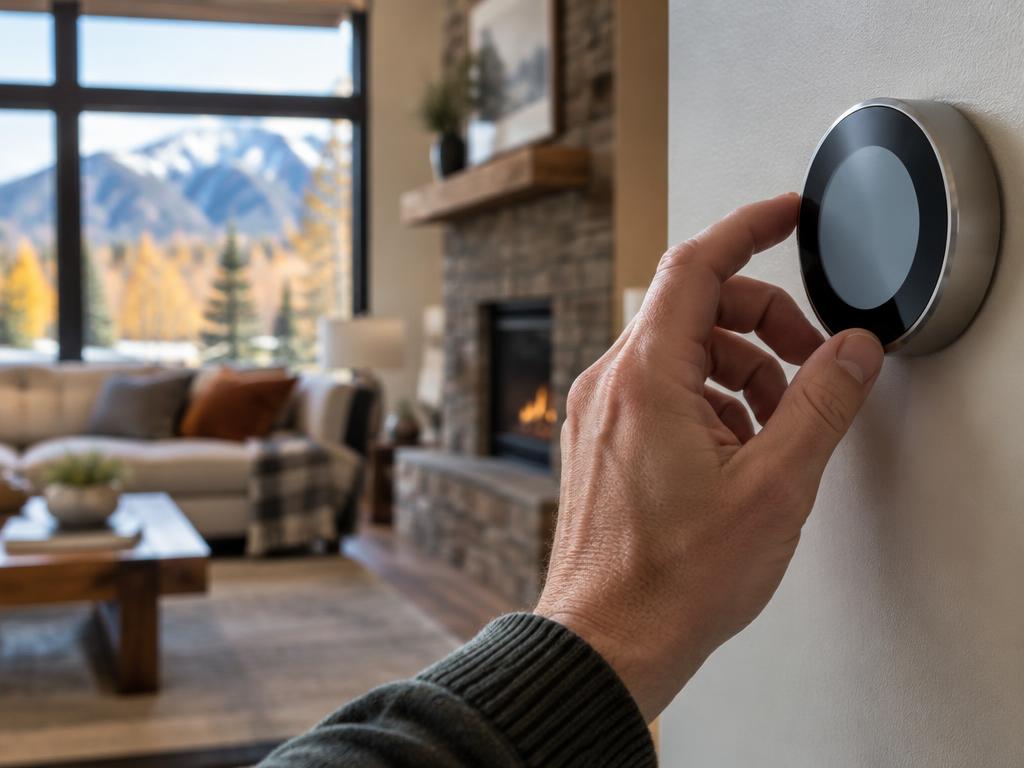
Most thermostats have two fan settings: ON and AUTO.
When the fan is set to ON, the blower may run continuously, even when the furnace isn't actively heating. As a result, room-temperature air circulates through the vents between heating cycles and may feel cold.
With the fan set to AUTO, the blower generally operates according to the heating system's controls.
What to do: Check that your thermostat is set to HEAT and that the fan is set to AUTO. If the furnace still fails to warm the house, another issue may be involved.
2. Your Furnace Air Filter Is Clogged
A dirty air filter can create bigger problems than many homeowners realize.
Your furnace needs proper airflow to operate efficiently. When a filter becomes clogged with dust, pet hair, or debris, the system may struggle to move enough air.
Restricted airflow can cause a furnace to overheat. Some furnaces respond by shutting off their burners while continuing to run the blower, causing cool air to come through the vents.
Northern Colorado homeowners may notice faster filter buildup due to pets, remodeling activity, and dry, dusty conditions.
Check your filter regularly and replace it when needed using the correct size and type recommended for your system.
If the problem continues after replacing the filter, schedule professional service.
3. There's a Problem With the Ignition System
Modern gas furnaces use electronic ignition components to start the heating process.
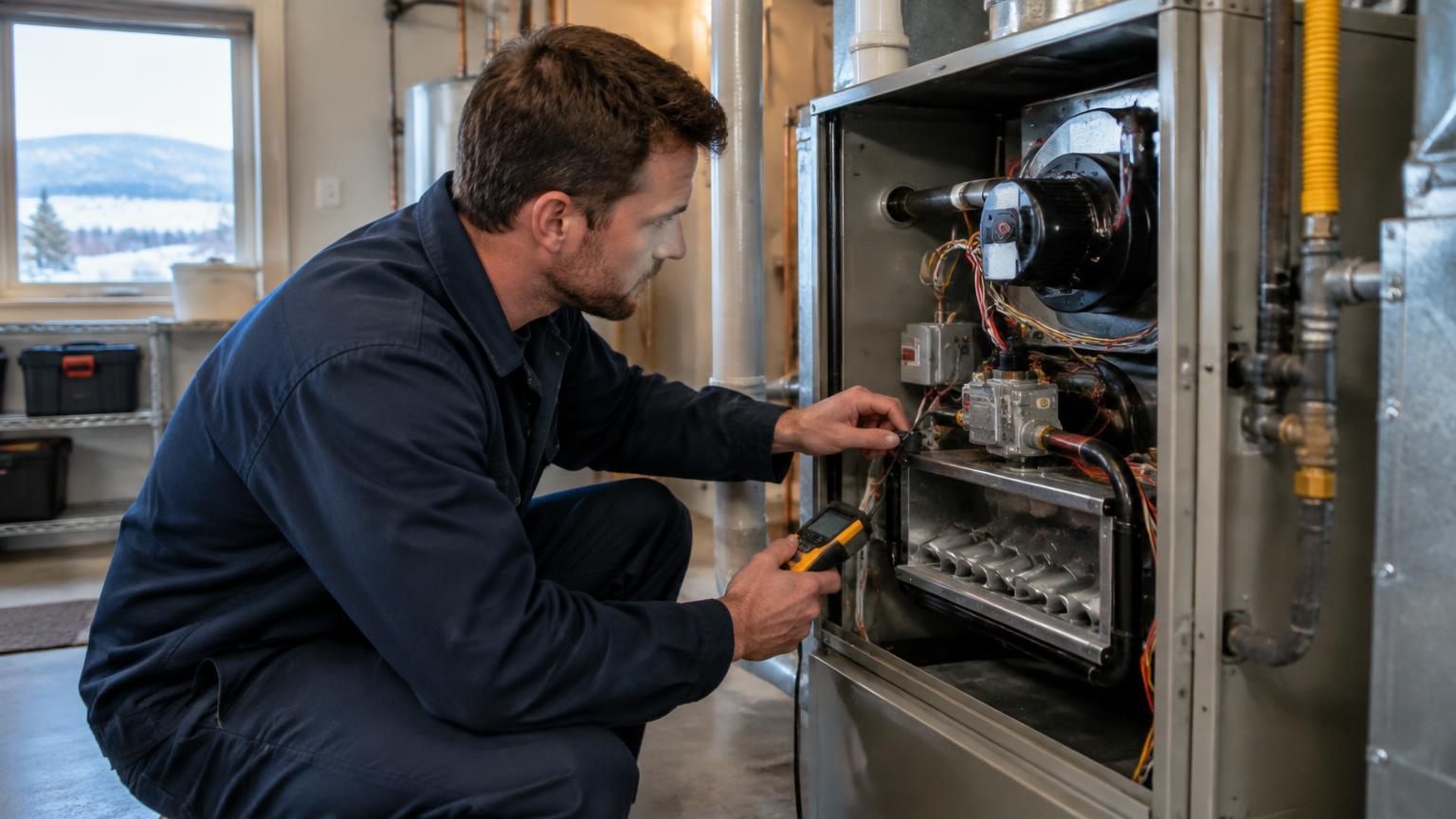
If an igniter fails, a flame sensor becomes dirty, or another ignition component malfunctions, the furnace may attempt to start without successfully maintaining heat.
You might notice the system clicking, starting briefly, or repeatedly attempting to ignite.
These components require specialized diagnosis. Attempting to repair gas or electrical furnace components without proper training can create serious safety risks.
A professional HVAC technician can inspect the ignition system, identify the failed component, and recommend the appropriate repair.
4. The Furnace Is Overheating
An overheating furnace may automatically shut down its heating function to protect the equipment.
Potential causes include:
- Dirty air filters
- Restricted return airflow
- Blocked or improperly adjusted ductwork
- Blower motor problems
- Malfunctioning safety controls
- Internal mechanical issues
If the furnace repeatedly heats briefly and then blows cold air, overheating may be one possible explanation.
Repeated overheating should never be ignored. A professional inspection can help determine whether the problem involves airflow, components, or safety controls.
5. Your Ductwork Has Air Leaks
Sometimes the furnace is producing warm air, but that heat isn't reaching every room.
Leaky, disconnected, or poorly insulated ducts can lose heat before conditioned air reaches the living space.
This can be especially noticeable when ducts run through an attic, crawl space, or another unconditioned area.
If one room feels colder than the others, the furnace may not be the only issue. Your ductwork and airflow should also be evaluated.
What Can Homeowners Safely Check Before Calling for Repair?
Before scheduling furnace repair in Longmont, there are a few basic checks you can make without opening the equipment or working on gas or electrical components.
- Confirm that the thermostat is set to HEAT.
- Set the thermostat fan to AUTO.
- Check the air filter for visible buildup.
- Make sure supply and return vents aren't blocked.
- Check whether the furnace has lost electrical power.
- Note any unusual noises, odors, or error messages.
If a breaker has tripped, don't repeatedly reset it. A breaker that trips again needs professional evaluation.
Avoid bypassing safety switches, dismantling furnace components, or attempting gas-related repairs yourself.
When Is a Furnace Problem an Emergency?
A furnace that isn't producing heat becomes more urgent during freezing weather.
You should also take immediate precautions if you notice smoke, a strong burning odor, or signs of a gas leak.
If you smell gas, leave the building and contact your gas provider or emergency services from a safe location. If a carbon monoxide alarm sounds, get everyone outside and call emergency services.
Carbon monoxide is odorless, so you cannot rely on smell to detect it.
Woelfel Heating & Air offers emergency HVAC services in Northern Colorado for urgent heating and cooling problems.
What Happens During Professional Furnace Repair?
A professional furnace repair appointment focuses on finding the cause rather than simply treating the symptom.
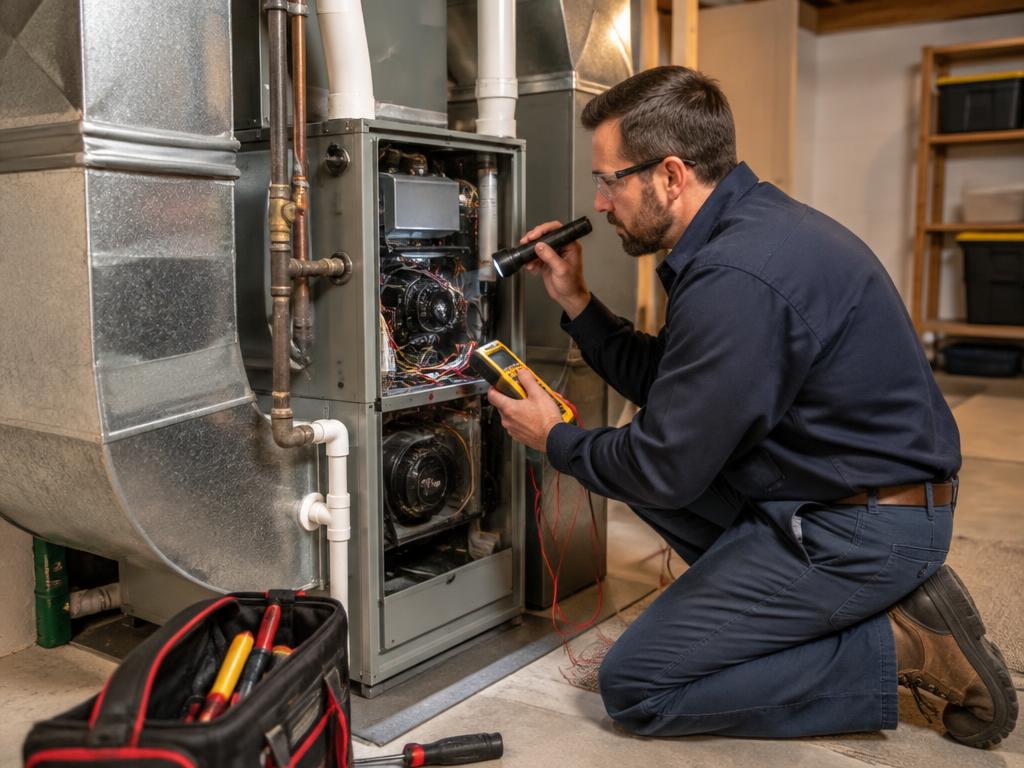
A technician may inspect the thermostat, electrical connections, ignition system, safety controls, blower, airflow, and other components.
After diagnosing the problem, the technician can explain the available repair options and help you understand whether additional maintenance is needed.
This is especially valuable for older heating systems that have experienced recurring problems.
Frequently Asked Questions About Furnaces Blowing Cold Air
Why does my furnace blow cold air for a few minutes?
Some furnaces move air briefly during startup or after a heating cycle. However, if the air stays cold or the house doesn't warm up, the system may need service.
Can a dirty filter cause my furnace to stop heating?
Yes. A severely clogged filter can restrict airflow and contribute to overheating, which may cause safety controls to interrupt heating.
Should I turn off my furnace if it's blowing cold air?
If the problem continues after basic thermostat and filter checks, turning off the system and arranging professional inspection is often the safest option, especially if it is repeatedly cycling or overheating.
Who can repair my furnace in Longmont, Colorado?
Woelfel Heating & Air provides residential HVAC repair services in Longmont and other communities throughout its Northern Colorado service area.
Conclusion: Get Professional Furnace Repair in Longmont, CO
Your furnace should keep your home comfortable when Northern Colorado temperatures drop. If it's blowing cold air, running inconsistently, or struggling to heat your home, don't ignore the problem.
Woelfel Heating & Air provides professional HVAC repair for homeowners in Longmont, Loveland, Berthoud, Boulder, and nearby communities.
Contact Woelfel Heating & Air today to schedule furnace repair and restore reliable heating to your home.