
No Heat in Loveland, CO? What to Do Before Calling for Emergency Furnace Repair
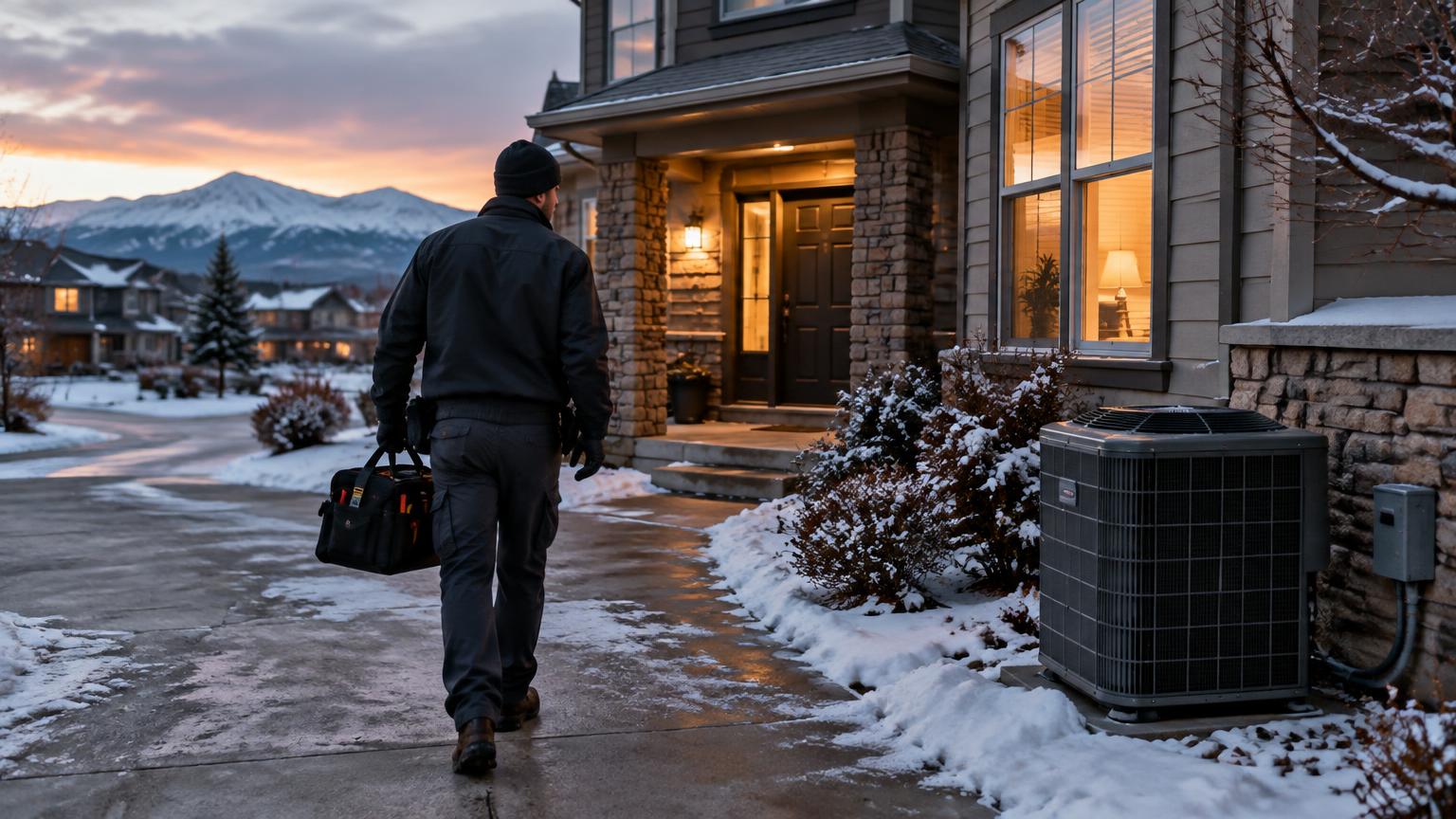
Few things are more stressful for a homeowner than discovering the furnace has stopped working during cold weather. Whether you wake up to a freezing house or come home to find the thermostat dropping, losing heat can become a serious problem when Northern Colorado temperatures fall.
For homeowners in Loveland, Greeley, Berthoud, Johnstown, and surrounding communities, knowing what to do during a heating breakdown can make the situation easier to manage.
Not every furnace problem requires an emergency appointment, but understanding which situations are urgent can help protect your home and everyone inside.
What Should You Do If Your Furnace Stops Working?
If your furnace stops working, first check your thermostat, power supply, and air filter. If the system still won't heat, contact an HVAC professional. During freezing weather, a total loss of heat should be treated as urgent.
However, if you suspect a gas leak, hear a carbon monoxide alarm, or notice smoke, leave the building immediately and contact emergency services or your gas provider from outside.
Safety should always come before troubleshooting.
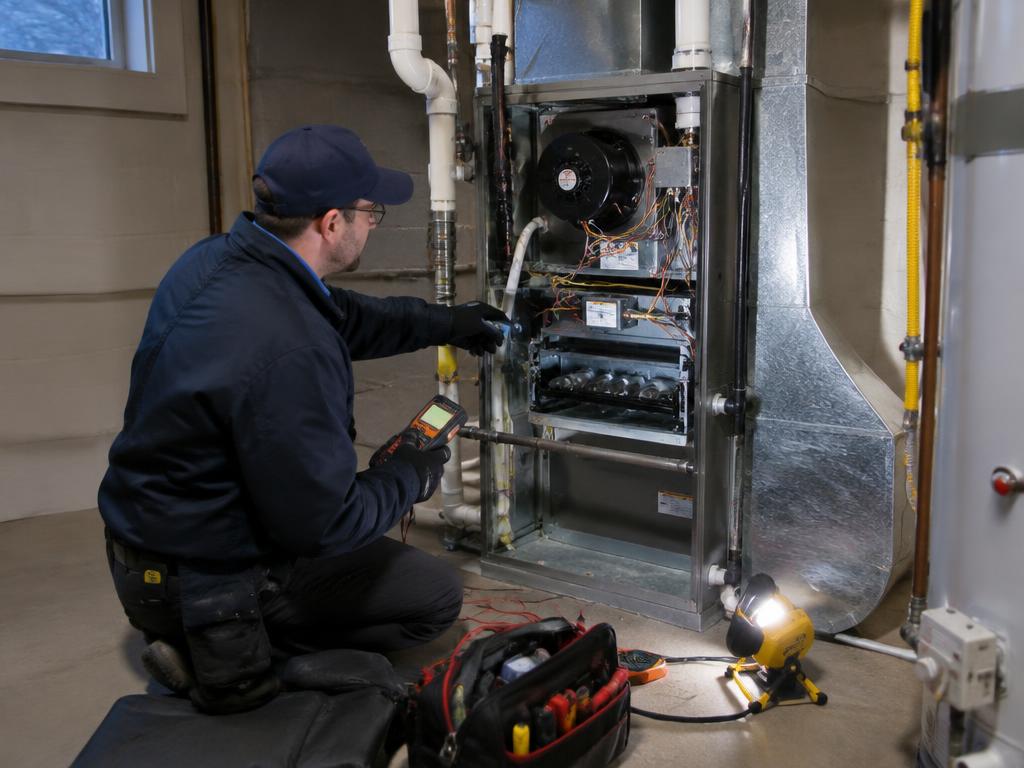
Step 1: Check Your Thermostat
Sometimes an apparent furnace breakdown starts with the thermostat.
Before assuming the equipment has failed, check that:
- The thermostat is set to HEAT
- The temperature setting is above the current indoor temperature
- The thermostat display is functioning
- Batteries are working if the thermostat uses them
- The thermostat isn't displaying an obvious error
If the thermostat isn't communicating with the heating equipment, the furnace may not receive the signal to start.
If adjusting these settings doesn't solve the problem, continue with the remaining basic checks.
Step 2: Check for an Electrical Problem
Even gas furnaces rely on electricity to operate essential components, including blowers, igniters, and controls.
A power interruption or tripped circuit breaker may prevent your furnace from starting.
You can check the electrical panel to see whether the furnace circuit has tripped.
If the breaker trips repeatedly, leave it off and contact a professional. Repeated breaker trips may indicate an electrical fault requiring diagnosis.
Never open electrical compartments or attempt wiring repairs without proper training.
Step 3: Inspect Your Furnace Filter
A severely clogged air filter can restrict airflow and contribute to furnace overheating.
Some systems automatically shut down heating to protect themselves when airflow becomes inadequate.
Check whether the filter is visibly dirty and replace it if needed using the correct filter recommended for your equipment.
If the furnace still fails to operate, the problem may involve another component.
Step 4: Make Sure Vents Aren't Blocked
Blocked supply and return vents can interfere with airflow.
Check that furniture, rugs, curtains, or household storage aren't covering the openings.
While vent obstructions don't cause every furnace failure, maintaining proper airflow supports normal system operation.
If you notice weak airflow throughout the house, that information can help your technician diagnose the problem.
When Is No Heat Considered an HVAC Emergency?
A heating breakdown is especially urgent when indoor temperatures are dropping and outdoor conditions are freezing.
Emergency HVAC service may be needed when:
- The furnace stops producing heat during freezing weather
- The indoor temperature is falling rapidly
- A vulnerable household member cannot remain safely warm
- The system makes alarming mechanical noises
- You notice smoke or a strong burning odor
- The furnace repeatedly shuts down
Gas leaks and carbon monoxide alarms require emergency safety action, not routine HVAC troubleshooting.
What Should You Do If You Smell Gas?
If you suspect a natural gas leak, leave the home immediately.
Do not operate electrical switches, use open flames, or attempt to restart the furnace.
From a safe location, contact your gas utility or emergency services.
Do not return inside until the appropriate emergency personnel have confirmed it is safe.
Why Carbon Monoxide Safety Matters
Fuel-burning heating equipment must be properly maintained and vented.
Carbon monoxide is an invisible, odorless gas that can be produced when fuel does not burn correctly.
Because carbon monoxide cannot be detected by smell, working carbon monoxide alarms are essential in homes with fuel-burning appliances.
If an alarm activates, leave the building and contact emergency services.
Symptoms such as headache, dizziness, nausea, weakness, and confusion may indicate possible exposure and require urgent attention.
Professional furnace inspections can help identify combustion and venting concerns before they become serious hazards.
Common Reasons Furnaces Stop Working
Once basic checks are complete, a trained technician can investigate the underlying cause.
Possible problems include:
Ignition Failure
A faulty igniter or flame-sensing component may prevent the burners from starting or staying lit.
Blower Motor Problems
If the blower cannot move air properly, the heating system may shut down or fail to distribute heat.
Overheating and Safety Shutoffs
Restricted airflow or malfunctioning components may activate protective controls.
Electrical or Control Failures
Circuit boards, wiring, switches, and control components can interrupt normal operation.
Aging Components
Older furnaces may experience mechanical wear that affects startup, heating performance, or reliability.
Professional diagnosis is important because multiple problems can produce similar symptoms.
What Happens During Emergency Furnace Repair?
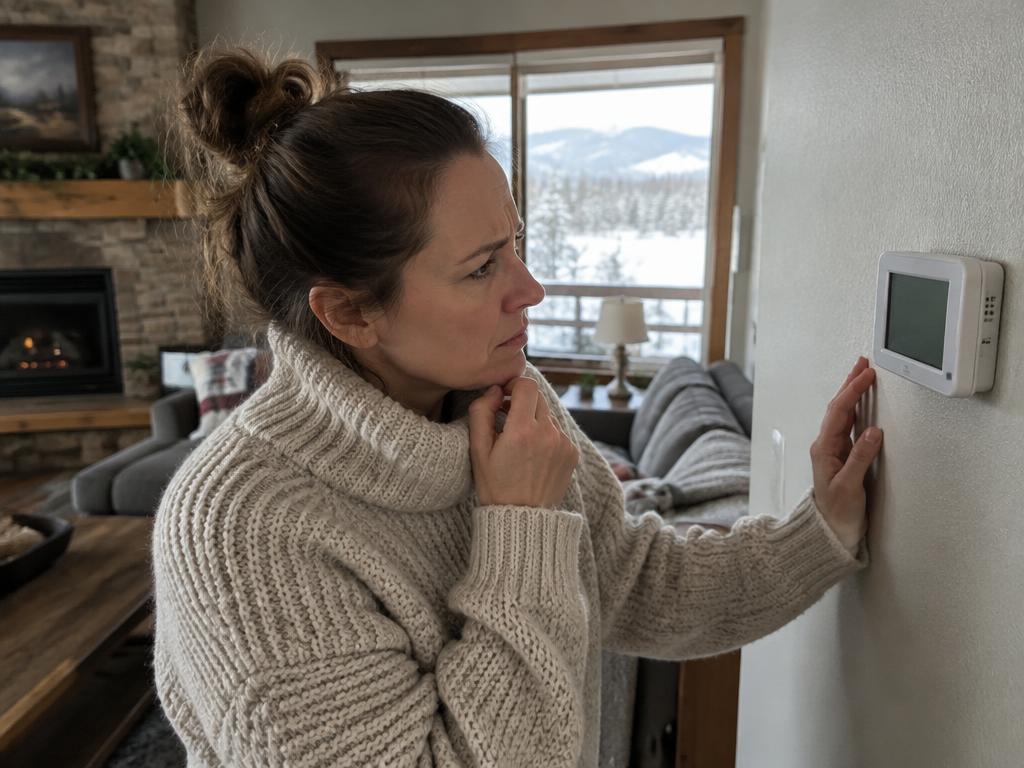
During a professional repair appointment, the technician evaluates the heating system, identifies the likely cause of the failure, and explains available solutions.
The inspection may include checking the thermostat, electrical components, ignition system, safety controls, blower, and airflow.
Some repairs can be completed during the first visit. Others may require additional parts or further work.
Woelfel Heating & Air advertises 24/7 emergency HVAC service for urgent heating and cooling issues across its service area.
How Can You Help Protect Your Home While Waiting for Repair?
If your heating system fails in cold weather, take practical steps to reduce further heat loss.
Keep exterior doors and windows closed, use curtains to reduce drafts, and gather household members in warmer areas if appropriate.
Never use an oven, outdoor grill, or portable generator to heat an indoor space.
If you use a portable electric heater, follow its safety instructions, keep it away from flammable materials, and plug it directly into an appropriate wall outlet.
If temperatures become unsafe, relocate to a heated location.
Frequently Asked Questions
Is no heat in the house always an emergency?
Not always, but a total loss of heat becomes more urgent during freezing conditions, especially when indoor temperatures are dropping or vulnerable people are present.
Can I restart my furnace myself?
Basic thermostat checks are appropriate, but repeatedly resetting equipment or attempting internal repairs can make problems worse.
Should I repair or replace a broken furnace?
The answer depends on system age, equipment condition, repair cost, and overall performance. A professional diagnosis helps you compare the options.
Does Woelfel Heating & Air offer emergency heating service?
Yes. Woelfel Heating & Air lists emergency heating and cooling service among its offerings for Northern Colorado homeowners.
Conclusion: Get Emergency Furnace Repair in Loveland and Northern Colorado
Losing heat during cold Colorado weather is more than an inconvenience. Knowing when to troubleshoot and when to call for emergency service can help you respond safely and effectively.
Woelfel Heating & Air provides emergency HVAC support for homeowners in Loveland, Greeley, Berthoud, Johnstown, Longmont, and nearby communities.
If your furnace has stopped working, contact Woelfel Heating & Air to request emergency heating service and restore comfort to your home.