

Dual Fuel HVAC Systems in Northern Colorado: What Homeowners Should Know
Northern Colorado homeowners need heating and cooling systems that can handle changing weather. Some days are mild, some are hot, and winter temperatures can bring serious heating demand. That is why more homeowners are asking about dual fuel HVAC systems.
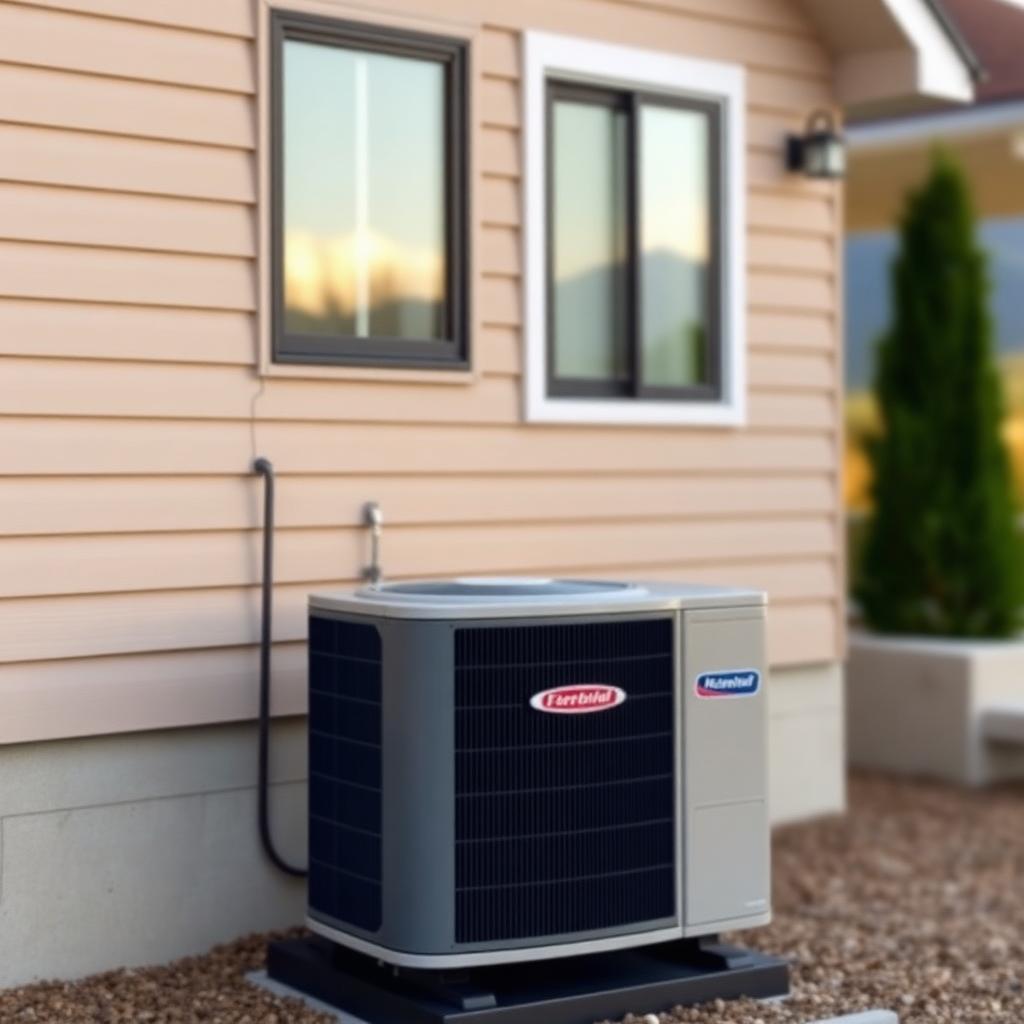
A dual fuel system combines an electric heat pump with a gas furnace. The heat pump can provide efficient heating during milder weather and cooling during warmer months. When temperatures drop and stronger heating is needed, the furnace can take over. This setup gives homeowners flexible comfort across more of the year.
How a Dual Fuel HVAC System Works
A dual fuel system uses two heating sources. The heat pump handles heating when outdoor temperatures are moderate. Heat pumps work by moving heat rather than creating it through combustion. In cooling mode, the heat pump works like an air conditioner by moving heat out of the home.
When outdoor temperatures get colder, the system can switch to the furnace. The furnace provides dependable heat during colder conditions when it may be more practical for the home's comfort needs.
Why Dual Fuel Systems Make Sense in Northern Colorado
Northern Colorado weather can vary from mild afternoons to cold nights, especially during the shoulder seasons. A dual fuel HVAC system gives homeowners flexibility because it does not rely on only one heating method.
During milder fall and spring conditions, the heat pump may handle comfort efficiently. During colder winter weather, the furnace provides stronger heating performance. This balance can be appealing for homeowners who want comfort, efficiency, and backup heating strength.
Benefits of Dual Fuel HVAC
A properly designed dual fuel system can offer several advantages.
Year-Round Heating and Cooling
Because a heat pump can heat and cool, the system supports comfort in multiple seasons. Paired with a furnace, it also provides strong cold-weather heating.
Efficient Operation During Mild Weather
A heat pump can be an efficient option when outdoor temperatures are not extremely cold. This can help reduce reliance on the furnace during milder conditions.
Reliable Comfort During Cold Snaps
When temperatures drop, the furnace is available to keep the home warm. This is one reason dual fuel systems are often considered in climates with varied winter conditions.
Flexible System Control
Modern thermostats and controls can help manage when the system uses the heat pump and when it switches to the furnace. Professional setup is important so the system operates correctly.
Is a Dual Fuel System Right for Every Home?
Dual fuel HVAC is not the best choice for every property. The right system depends on your home's size, insulation, ductwork, electrical capacity, existing equipment, comfort needs, and budget.
A dual fuel system may be worth considering if:
- Your current HVAC system is aging
- You want both heating and cooling upgrades
- You are interested in energy-conscious comfort
- Your home already has ductwork
- You want a furnace available for colder weather
- You are comparing heat pump, furnace, and AC options
A professional HVAC evaluation can help determine whether dual fuel makes sense or whether another system would be a better fit.
Dual Fuel Installation Requires Local Expertise
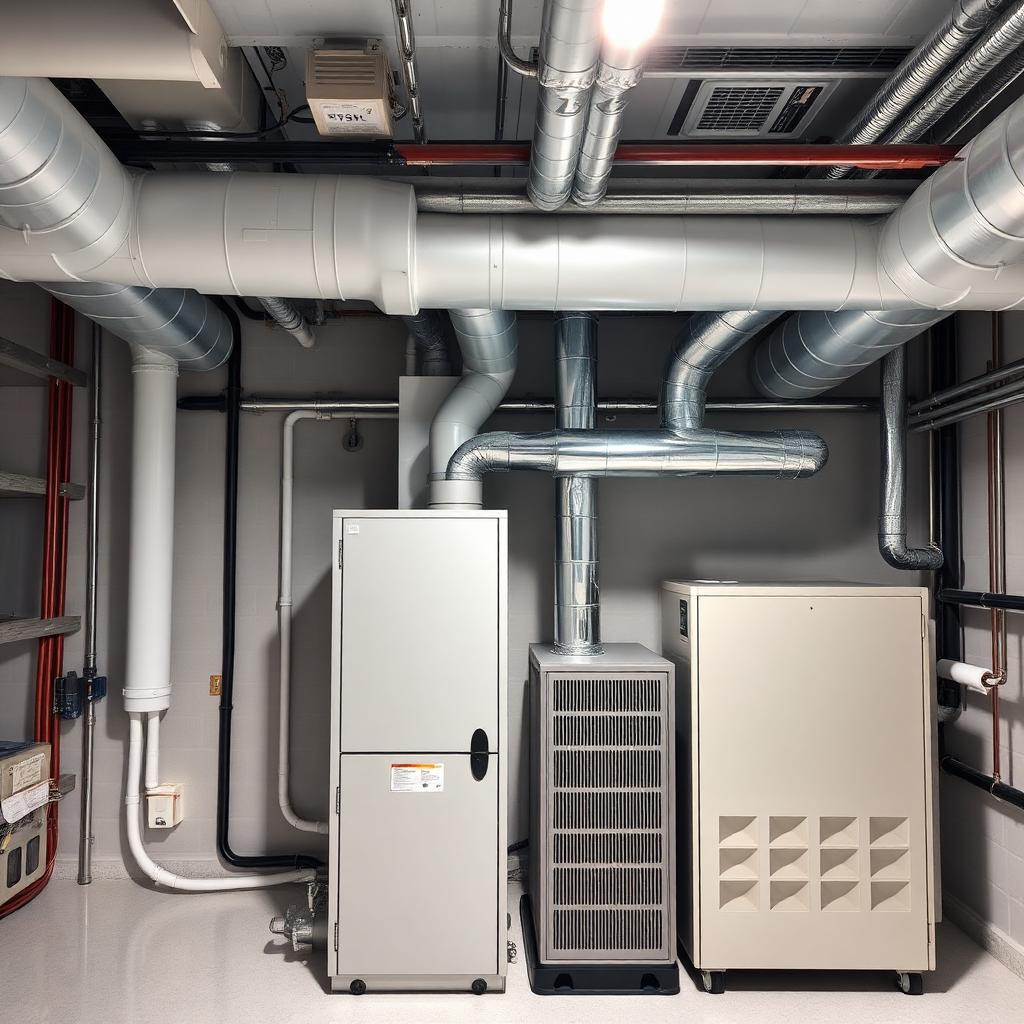
Installing a dual fuel system is more complex than replacing one piece of equipment. The heat pump, furnace, thermostat, controls, ductwork, and airflow all need to work together.
Proper sizing is especially important. A system that is too large or too small can create comfort problems, inefficient operation, and unnecessary wear. A local HVAC installer understands Northern Colorado's climate and can help recommend equipment that fits the home.

Maintenance for Dual Fuel Systems
Because dual fuel systems involve both a heat pump and a furnace, regular maintenance is important. The heat pump needs attention before cooling season and during heating use. The furnace should be inspected before colder weather arrives.
Routine maintenance may include checking electrical components, cleaning coils, inspecting burners, testing controls, checking airflow, and making sure the system switches correctly between heating sources.
Dual Fuel vs. Traditional Furnace and AC
A traditional furnace and AC setup uses separate equipment for heating and cooling. A dual fuel system uses a heat pump for cooling and mild-weather heating, with a furnace for colder conditions.
Both options can work well when properly installed. The best choice depends on the home and homeowner goals. Dual fuel may appeal to homeowners looking for a more flexible heating and cooling strategy.
Questions to Ask Before Installing Dual Fuel HVAC
Before choosing a dual fuel system, ask your HVAC technician:
- Is my home a good fit for dual fuel?
- Is my ductwork in good condition?
- What size system does my home need?
- How will the system switch between heat pump and furnace?
- What maintenance will be required?
- Are there other options I should compare?
Clear answers can help you feel confident before making a major HVAC investment.
Conclusion: Explore Dual Fuel HVAC in Northern Colorado
A dual fuel HVAC system can be a smart option for homeowners who want flexible, efficient comfort with dependable cold-weather heating. By combining a heat pump and furnace, this system can support year-round comfort in Northern Colorado's changing climate.
Woelfel Heating & Air helps homeowners explore dual fuel HVAC options, installation, repair, and maintenance across Northern Colorado. Contact the team today to schedule service in Loveland, Greeley, Longmont, Berthoud, Johnstown, Evans, and nearby communities.